



Specimen of Fa
The moa is a bird of the family Ostryiidae. The abdominal feathers are yellow, and the other parts are yellow and black. The body is hypertrophy, the upper limbs are degraded, and the lower limbs are thick and short; the neck is covered with feathers and is short; there are 3 toes. In 1843, Owen named it a terror bird, meaning a large bird that frightens people. In the middle of the 18th century, it was preyed on by European immigrants; by the late 18th century, it was becoming more and more difficult to be caught; 1800 was the last year that people could catch it. The North Island population of New Zealand became extinct in the 17th century and the South Island population became extinct in 1850.

Southern giant terror bird skeleton
The southern giant terror bird (Dinornis robustus) is a species of terror bird, also known as the South Island giant terror bird. Like other terror birds, they cannot fly. The origin of these birds may be due to the early ancestors of terror birds being able to fly and reach the South Island of New Zealand. The southern giant terror bird is the largest among terror birds. Adult female birds can reach a shoulder height of up to 2 meters and a total height of 3.6 meters, making them the tallest known bird species. It lives in the lowlands of the South Island of New Zealand. It may have become extinct as early as the 13th century.

Terror bird skeleton
The terror bird is a bird of the ostrich order, terror bird family. The abdominal feathers are yellow, and the other parts are yellow and black in color. Enlarged body, degeneration of upper limbs, and short and thick lower limbs; The neck is covered with feathers and is relatively short; There are three toes. In 1843, it was named the terror bird by Owen, meaning a large bird that can scare people. The terror bird inhabits the primitive lowlands and coastal forest grasslands of the southern islands of New Zealand. Living as a couple, each pair has their own territory. Cannot fly and run slower than ostriches. They feed on berries, grass seeds, and roots, as well as some insects. Only one egg is laid per reproduction, no nest is built, and the egg is laid in a concave area on the ground. The egg is about 250 millimeters long and 180 millimeters wide.

Popular Models
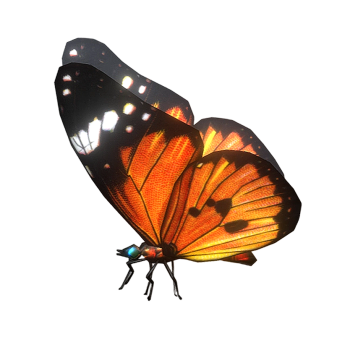
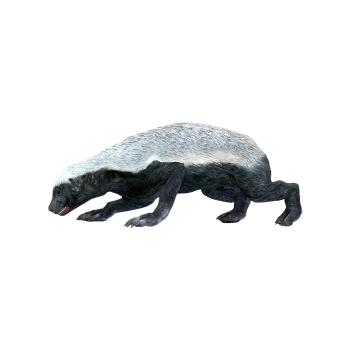
Honey Badger (3D animated model)
192 View
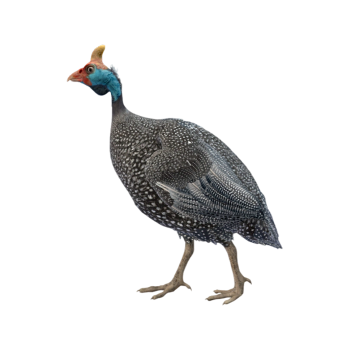
Guinea fowl (3D animated model)
163 View
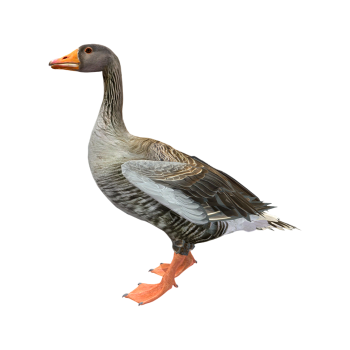
Wild Goose (3D animated model)
185 View
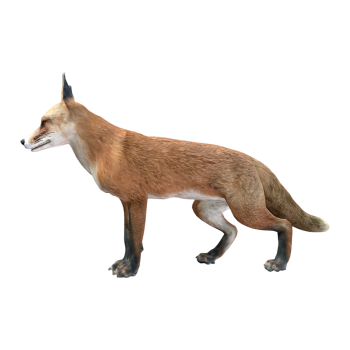
Red Fox (3D animated model)
153 View
Random Model

Grigore Kobaltescu bust
764 View

Dodge DF4 Carbon Fiber Racing Bike
705 View

Astino Valley Astino Church
606 View

Yellow Duct Tape
834 View


Chicken Sandwich
695 View

Croissant with Chocolate Sauce
862 View
Specimen of Fa
810 View

Achobacteria hepato
583 View